The truth behind India's Covid19 vaccine
The truth behind India's Covid19 vaccine.
The first made-in-India coronavirus vaccine may be launched by August 15, with the Indian Council of Medical Research (ICMR) fast-tracking efforts to develop "Covaxin" in partnership with Bharat Biotech International Limited. A dozen institutes have been selected for clinical trials of the indigenous COVID-19 vaccine (BBV152 COVID vaccine), the government's top medical research body has said.
Covaxine is the name of the potential Covid19 vaccine developed by Bharat Biotech.
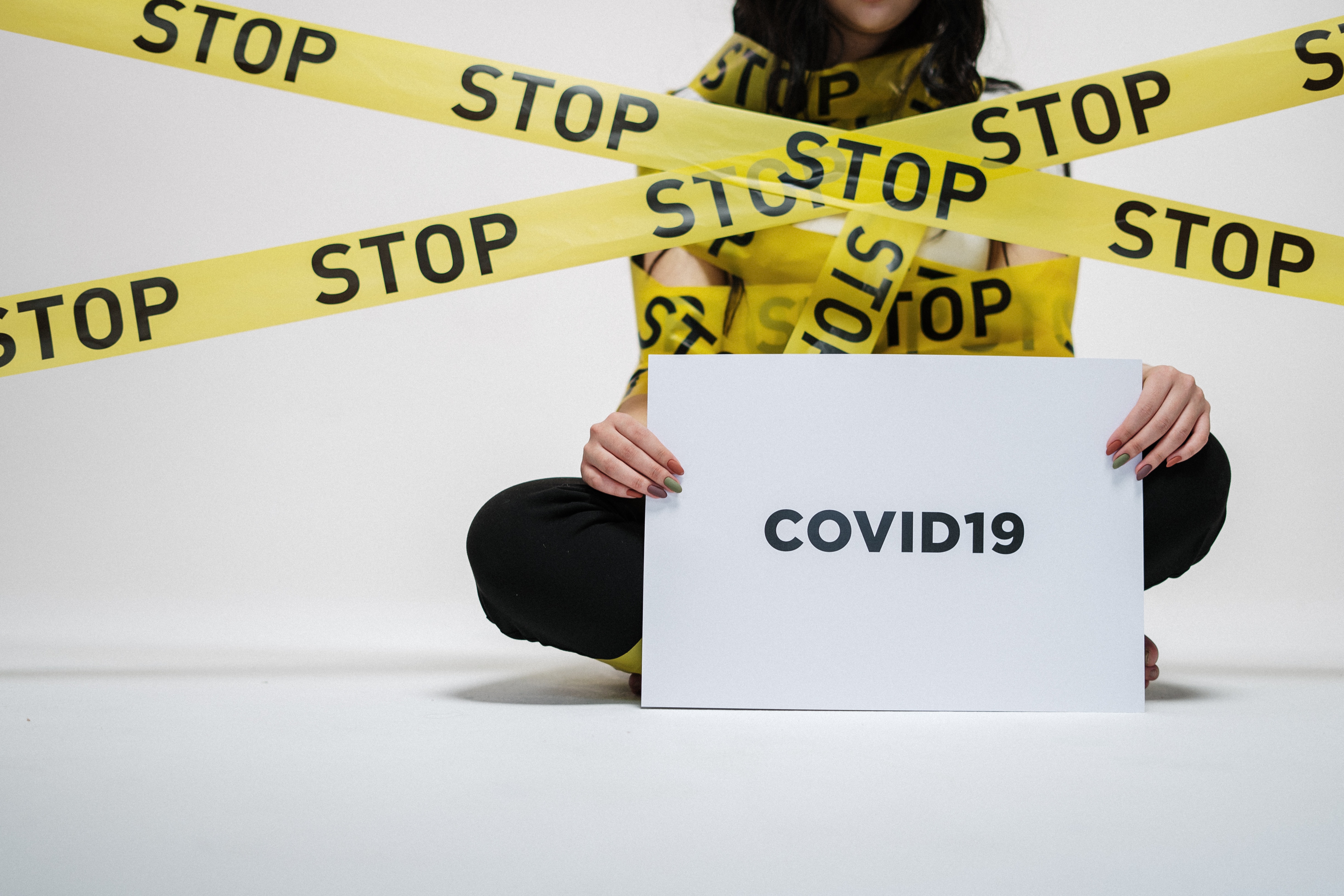
This official claim has drawn sharp criticism from the scientific community and sparked fears that its safety and efficacy could be compromised to meet the “near impossible” timeline.
Even AIIMS Director Randeep Guleria, the head of the clinical research group of the national task force on COVID-19, seemed surprised.
Shaheed Jameel, a well-known virologist and chief executive of the Wellcome Trust-DBT Alliance that funds health research in India said August 15 timeline was “ridiculous”.
“I fear the global scientific community would be laughing at us for this. It should not have happened. India is a serious player in science. Who is going to trust us if we behave like this? Who is going to believe us even if we indeed come up with a good vaccine tomorrow?… And I am appalled at the kind of language used in the letter. It is not a letter, it reads like a threat,” Jameel said.
The questions that needs to be answered are:
- How can ICMR say that the vaccine will be launched for public use by August 15?
- How can the clinical trials be completed in just one month for a vaccine.
- Can we trust the safety and efficacy of the vaccine given there is little to no time available for its testing.
While ICMR has refused to comment on its letter, Satyajit Mohapatra, who is in charge of the clinical trial in SRM Hospital and Research Centre, Tamil Nadu, told : "ICMR has given a timeframe for completion of Phase 1 of the trial by August. Phase 2 of the study will start after completion of Phase 1, followed by Phase 3."